Most firms don’t lack data. They lack one trustworthy view of it.
The numbers exist. They’re just scattered. Some live in the accounting system, some in a CRM, some in a handful of spreadsheets that a few people maintain by hand. Each is broadly right on its own, but bringing them together into a single picture takes someone an afternoon, and by the time the picture is assembled it has already aged.
The result is reporting that arrives late and gets trusted only cautiously. Decisions wait for the monthly pack. When two reports disagree, time goes on reconciling them rather than acting on them. And underneath it all, older applications that the business still depends on quietly make every one of these problems harder to solve.
None of this is a failure of effort. It’s the natural state of a business that grew faster than its reporting did. The cost is not dramatic; it’s the steady drag of decisions made a little late, on numbers held with a little less confidence than they deserve.
What one trustworthy view changes
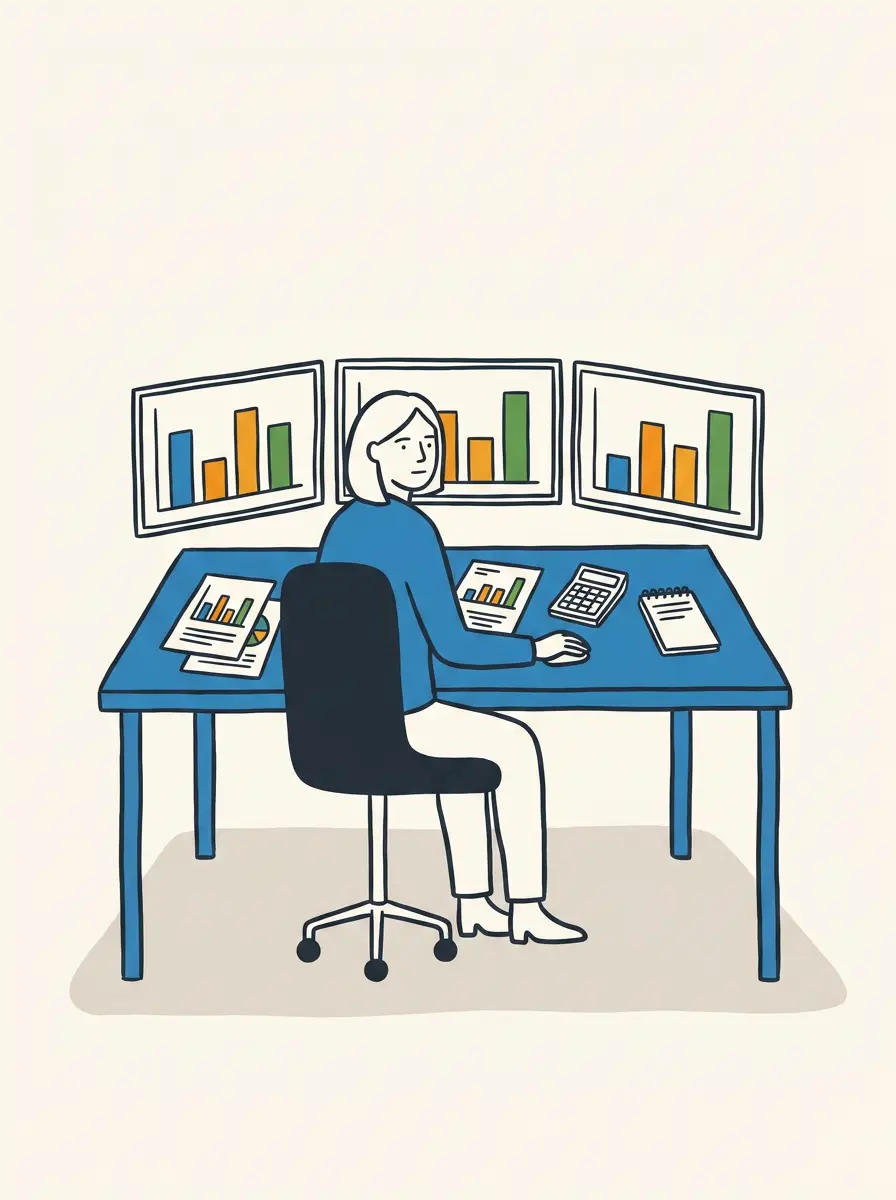
The goal is not more dashboards. It is one view of the numbers that everyone agrees is correct, that updates on its own, and that people act on without first checking it by hand. When that view exists, a noticeable amount of routine work simply disappears: the monthly assembly, the reconciliation, the quiet pause before anyone trusts a figure enough to make a call on it.
Getting there is less about clever charts and more about plumbing. The various systems are connected so that data flows into one place automatically. It is cleaned and reconciled once, properly, rather than ad hoc every month. Then the reporting is built on top of that single, reliable foundation, so what you see is current by definition rather than by effort.
What slips today
- A question about performance starts a small project: pull the figures, line them up, sense-check
- Two reports disagree and time goes on reconciling them
- Decisions wait for the monthly pack, already aged by the time it arrives
What changes
- The answer is already on screen, current, and the same for everyone
- Data flows into one place automatically, cleaned and reconciled once
- Decisions made on the day they need making, with confidence in the numbers
Decisions on the day they need making, with confidence in the numbers
Before, a question about performance starts a small project: pull the figures, line them up, sense-check, circulate. After, the answer is already on screen, current, and the same for everyone looking at it. The shift is not just faster reporting. It is the ability to make decisions on the day they need making, with confidence in the numbers behind them.
What hirevolution builds
- BI & dashboards
- Data engineering & pipelines
- Cloud & legacy modernisation
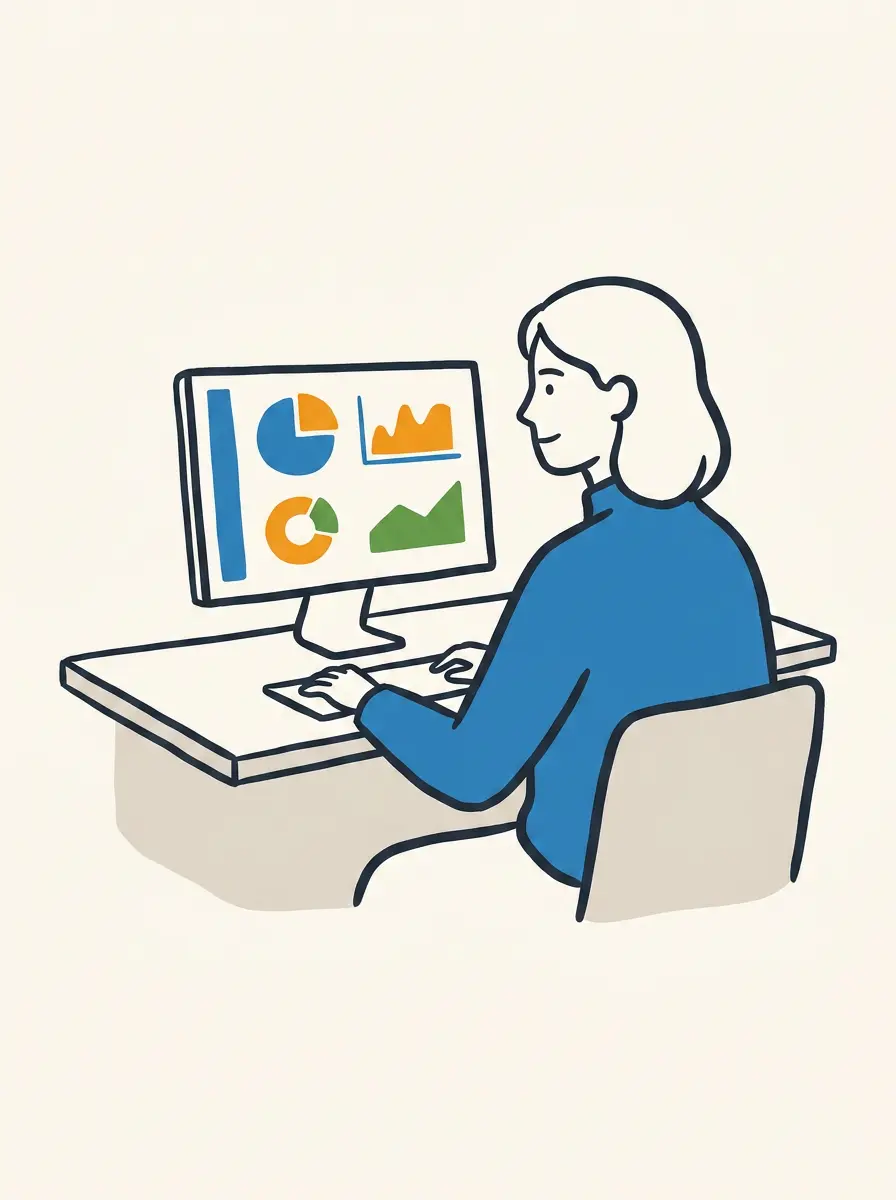
The work falls into a few related areas. Business intelligence and dashboards turn the consolidated numbers into views your team can read at a glance. Data engineering and pipelines do the unglamorous but essential job of bringing the data together reliably and keeping it current. Where the underlying systems are the constraint, hirevolution builds cloud applications and modernises ageing ones, so the foundation is sound rather than patched.
The common thread is a single trustworthy source feeding everything above it. The technical choices are made to suit the data you have and the systems you run, and they stay under the bonnet. What the business is left with is one reliable view of the numbers and a modern footing for the systems it depends on.
Where the work points beyond reporting to the tools and applications that produce the data, that sits alongside our custom apps and portals: see how we build custom apps and portals →
How the work is scoped
Data work is scoped per engagement, because the right approach depends entirely on what you already have: how many systems hold the numbers, how clean they are, and what the reporting actually needs to answer. Quoting before understanding that would be guesswork, and guesswork is exactly what good reporting is meant to replace.
An Opportunity Review
The Opportunity Review is a short, structured look at how your data and reporting work today and where the most worthwhile improvements lie. It is low-commitment and produces a clear recommendation on the best next step, whether that is a focused build, a fuller programme, or simply tightening what you already have.
You decide what to do next with a proper view of it, rather than a hunch.
Start with a clear look at where you are
Before any build, an Opportunity Review gives you an honest read on how your data and reporting work today and where the worthwhile improvements lie. It is a short conversation and a plain recommendation, with no obligation to go further.