Most systems don’t fail with a bang. They drift, quietly, until something that mattered has been broken for a fortnight.
When a system goes live, it works. Everyone moves on, and that’s exactly when the slow problem starts. Automations and integrations don’t announce when they stop. A connection times out, a step silently fails, a workflow keeps running on stale data, and nothing flashes red. The business carries on as if all is well.
You usually find out the hard way: a customer complains, a number looks wrong, a report doesn’t add up, and only then does anyone go looking. By that point the failure has been quietly running for days, and the damage, the missed follow-ups, the wrong figures, the eroded trust, is already done.
The deeper issue is that most systems are built and then simply left. No one owns the upkeep, so small problems accumulate and the value fades, not because the system was poor, but because nobody was watching it.
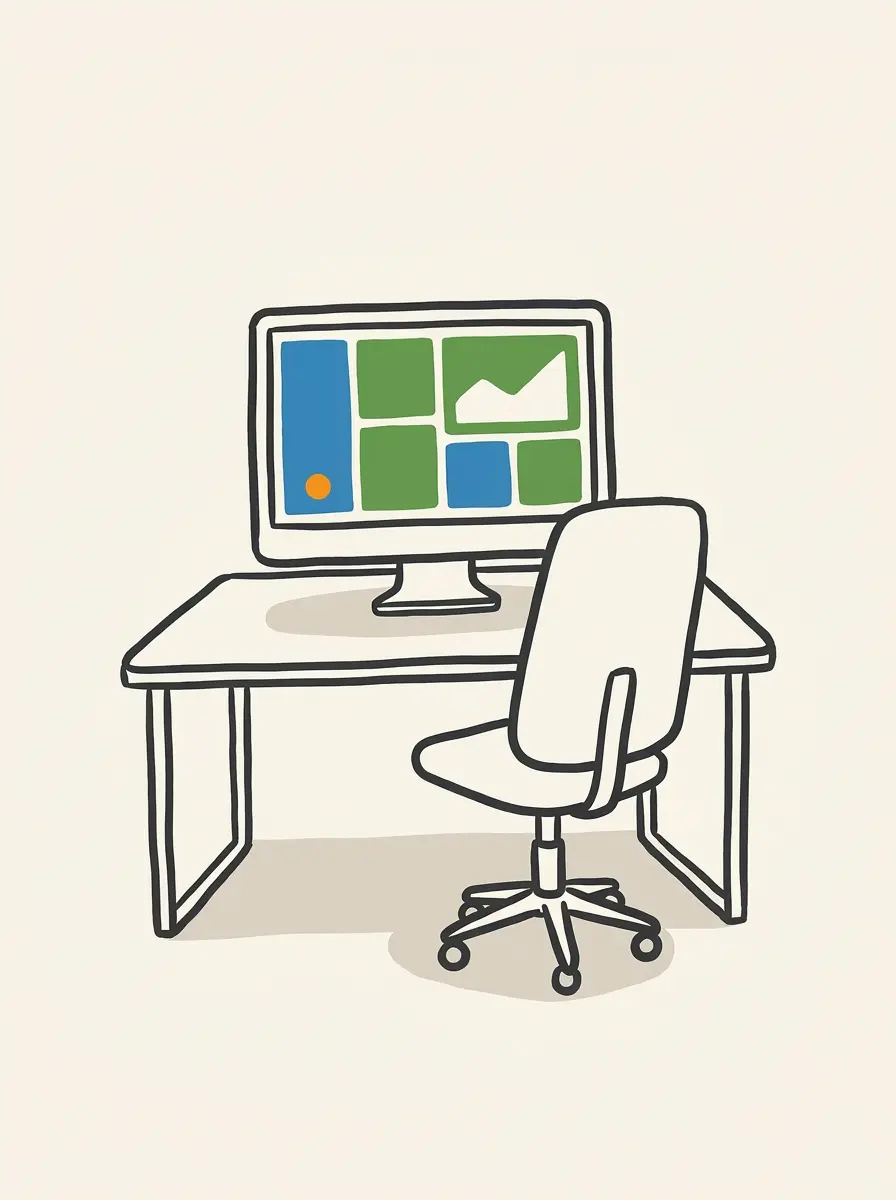
What “looked after” actually means
Looking after a system is two things, and the first is simply watching it. The things the business depends on, the automations, the integrations, the key connections, are checked continuously, so the moment one stops behaving you get a heads-up rather than a customer complaint. Quietly, that also means a steady record that everything else is running exactly as designed, which is worth as much as the alerts.
The second thing is keeping it good. A system in regular use needs small adjustments as the business changes around it: a tweak here, a tidy-up there, the rough edges smoothed before they become snags. Done a little each month, with the next improvement already in view, a system stays sharp instead of slowly ageing. And there’s a number to call when something doesn’t look right, so the answer isn’t “we’ll have to find someone who understands it”.
What slips today
- A silent failure runs for days before anyone notices
- Found out the hard way: customer complaint, wrong figure, report that doesn’t add up
- The system drifts out of step with the business
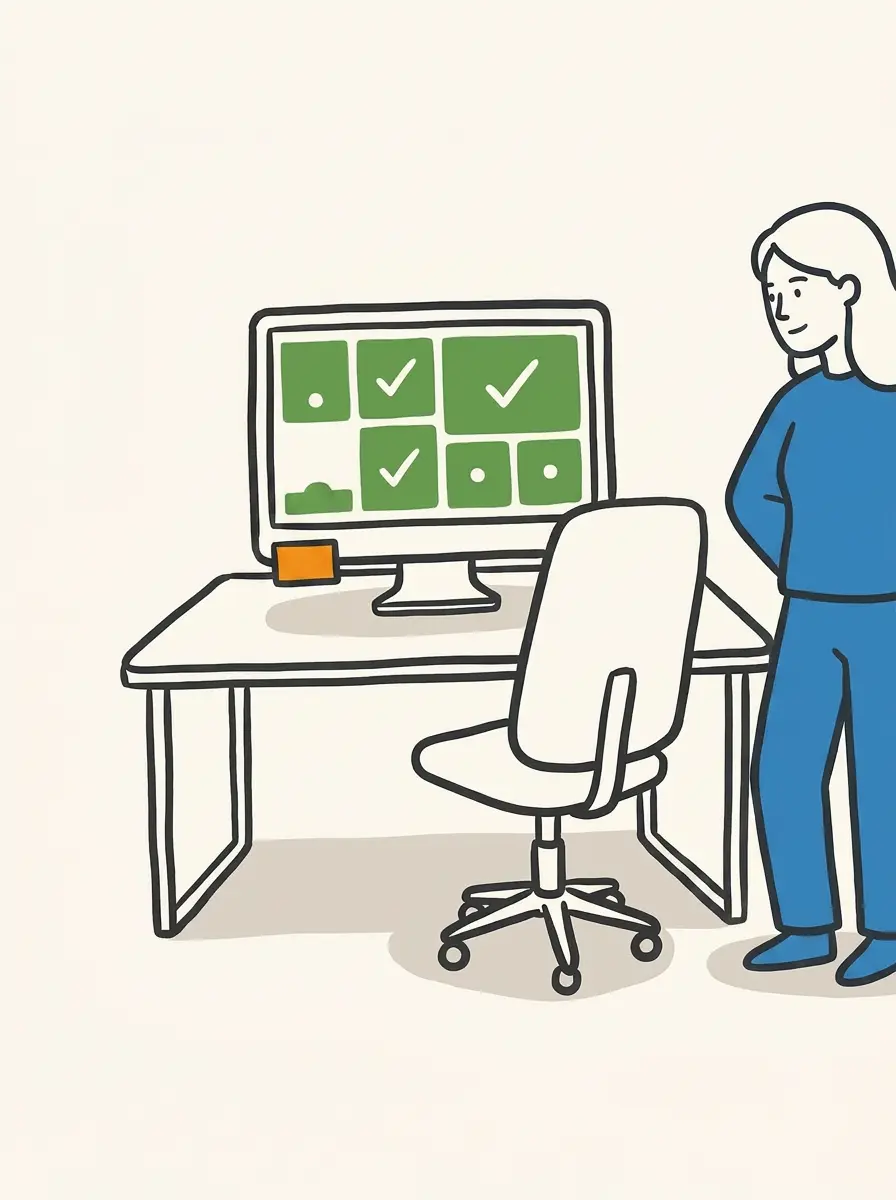
What changes
- A heads-up the moment something stops behaving
- Tuned a little each month, the next improvement already in view
- A roadmap and a number to call when something doesn’t look right
The quiet confidence of knowing the thing you depend on is being watched
Before, a silent failure runs for days and the system slowly drifts out of step with the business. After, you hear about a problem the moment it happens, the system is tuned every month, and there’s a clear roadmap and a person who knows it well. The change isn’t dramatic. It’s the quiet confidence of knowing the thing you depend on is being watched.
The two ways hirevolution keeps things running
- Watching
- Keeping it good
Monitoring & Alerts
The watching part. It runs health checks on your automations, integrations, and key endpoints, and tells you the moment something stops working as it should, through email, a text, or your team’s own channel, with monthly reports and a response within your support tier.
Setup runs from a few hundred pounds, with monthly cover from around £75 for uptime watching up to a fully managed, triaged service.
Managed Service Plans
The keeping-it-good part. They cover support and small changes, a monthly check-in, optimisation, roadmap planning, and user support, so the system keeps improving rather than going stale. There are three tiers, from light Essentials cover through to embedded Managed Ops for systems that are central to how the business runs. Monitoring can be bundled in, so the watching and the upkeep are one arrangement.
The detail of each tier sits on a short call, where the right level depends on how critical your systems are and how much you’d rather hand over.
What it buys is straightforward: a system that’s looked after, by people who know it.
Let’s talk about what you’re running
If you’ve a system the business leans on and no one really watching it, that’s worth a conversation. A short call covers what you run, where the risks are, and whether monitoring, an ongoing plan, or both is the sensible cover. No obligation, just a clear view.